
Atom
Definition:
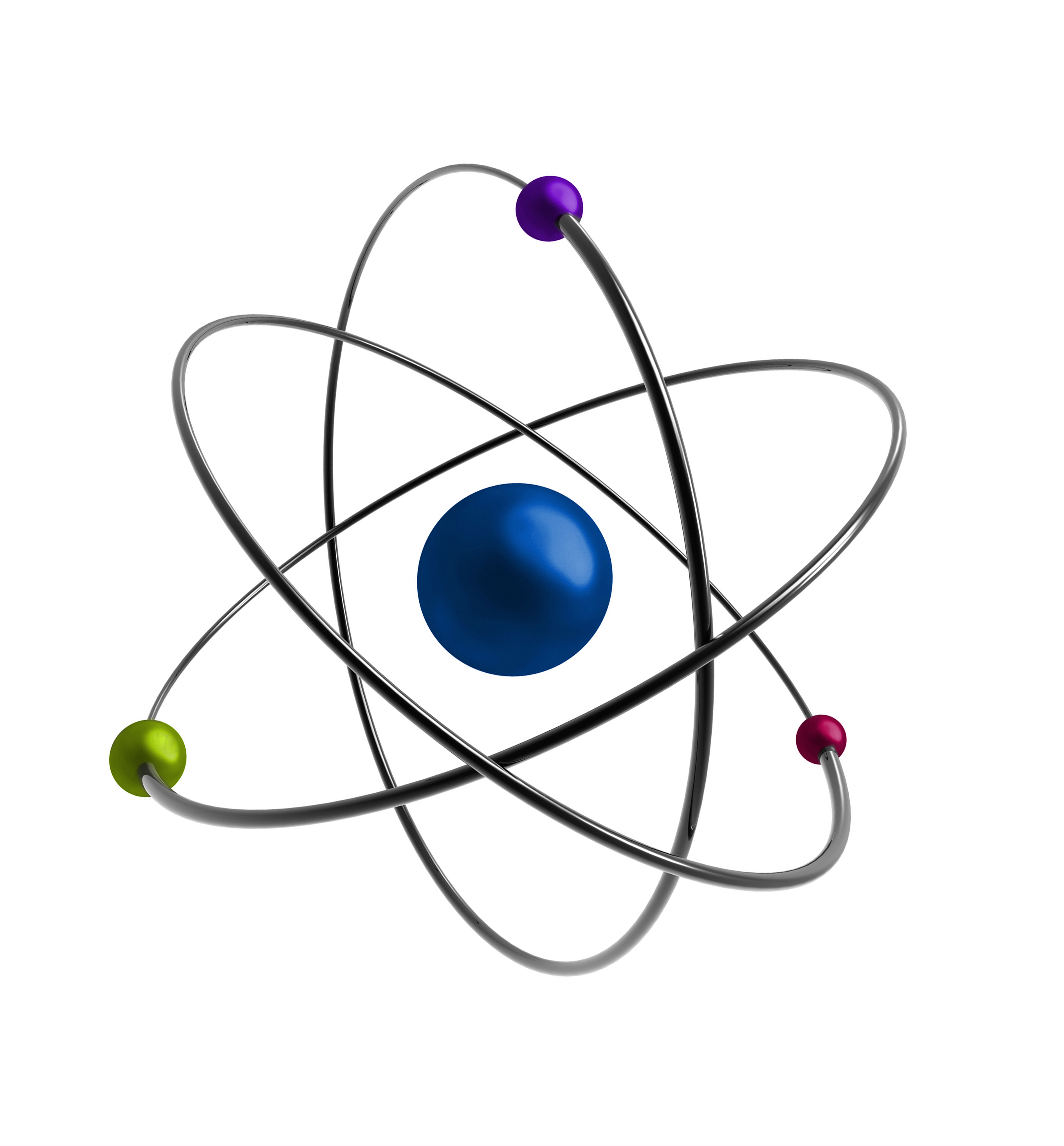
An atom is the smallest unit of ordinary matter that retains the properties of a chemical element. Each atom consists of a nucleus made of protons and neutrons, surrounded by a cloud of electrons.
Scientific context:
Atoms are the foundational building blocks of matter in both classical and quantum physics. In quantum technologies, individual atoms can be used as quantum bits (qubits) due to their discrete energy levels and the ability to control their quantum states with high precision. They play a critical role in platforms such as trapped ion quantum computers, atomic clocks, and quantum sensors.
Example in practice:
In quantum networks, atoms can serve as quantum memories, storing and transmitting quantum information.
Did you know?
The word “atom” comes from the Greek atomos, meaning “indivisible”. While ancient philosophers thought atoms were indivisible, we now know they’re made of even smaller subatomic particles.
References:
-
Griffiths, D. J. (2005). Introduction to Quantum Mechanics (2nd ed.). Pearson.
-
Haroche, S., & Raimond, J.-M. (2006). Exploring the Quantum: Atoms, Cavities, and Photons. Oxford University Press.